

One of the most common questions couples ask when planning their wedding is whether it is possible to embrace trends without compromising a timeless aesthetic. In a world of fast-moving inspiration and ever-changing visual references, this concern is both natural and valid.
The short answer is yes. A wedding can feel contemporary while remaining elegant and enduring — but only when trends are used with intention and balance.
Understanding the Difference Between Timeless and Trendy
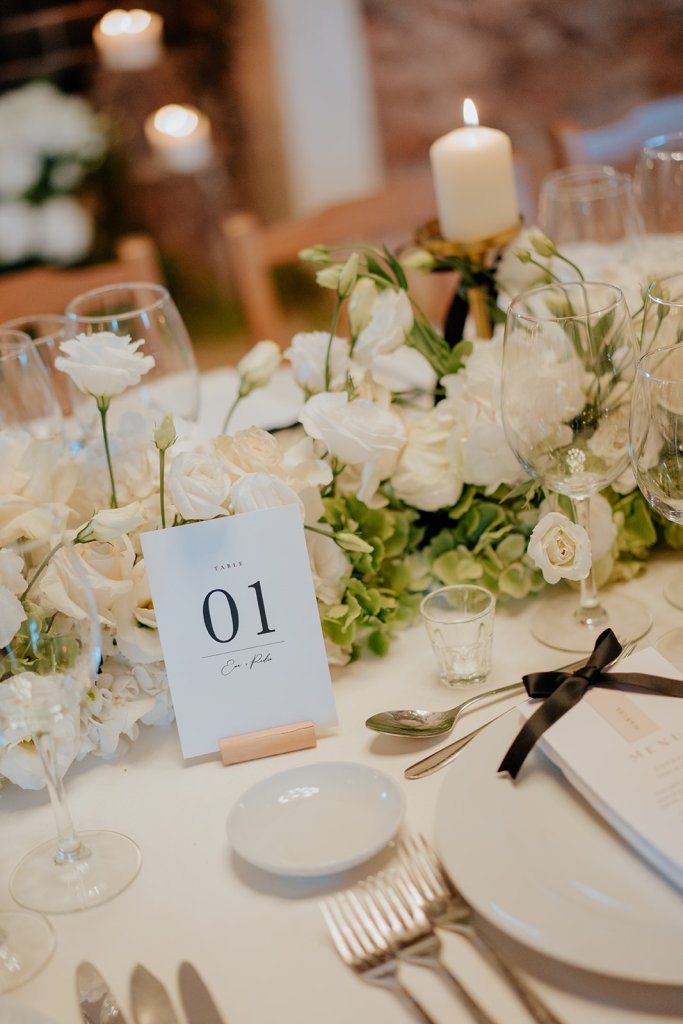
Timeless design is rooted in proportion, restraint and harmony. It relies on elements that do not depend on fashion cycles: architectural beauty, refined colour palettes, classic silhouettes and thoughtful composition.
Trends, on the other hand, reflect the present moment. They bring freshness, personality and a sense of relevance, but they are inherently temporary. What feels modern today may feel dated in a few years, especially when applied without a strong foundation.
The key is not choosing one over the other, but understanding their roles.
Where Timelessness Should Lead
Certain aspects of a wedding should remain anchored in timeless principles. These are the elements that will define how your celebration is remembered and photographed over time.
The venue itself plays a central role. Choosing a location with natural character, strong architecture and a sense of history creates a backdrop that needs little embellishment. Portugal, with its heritage estates, gardens and light-filled spaces, offers a naturally timeless setting.
The overall colour palette should also be grounded in soft, neutral or classic tones. These create continuity throughout the day and allow other details to evolve without overpowering the design.
Structure and proportion matter as well. Ceremony layouts, table arrangements and spatial flow should feel balanced and intentional, rather than driven by novelty.

Where Trends Can Be Introduced
Trends are most effective when they appear in elements that are easier to adapt and refine. Florals, textures, materials and styling details are ideal places to incorporate current inspiration.
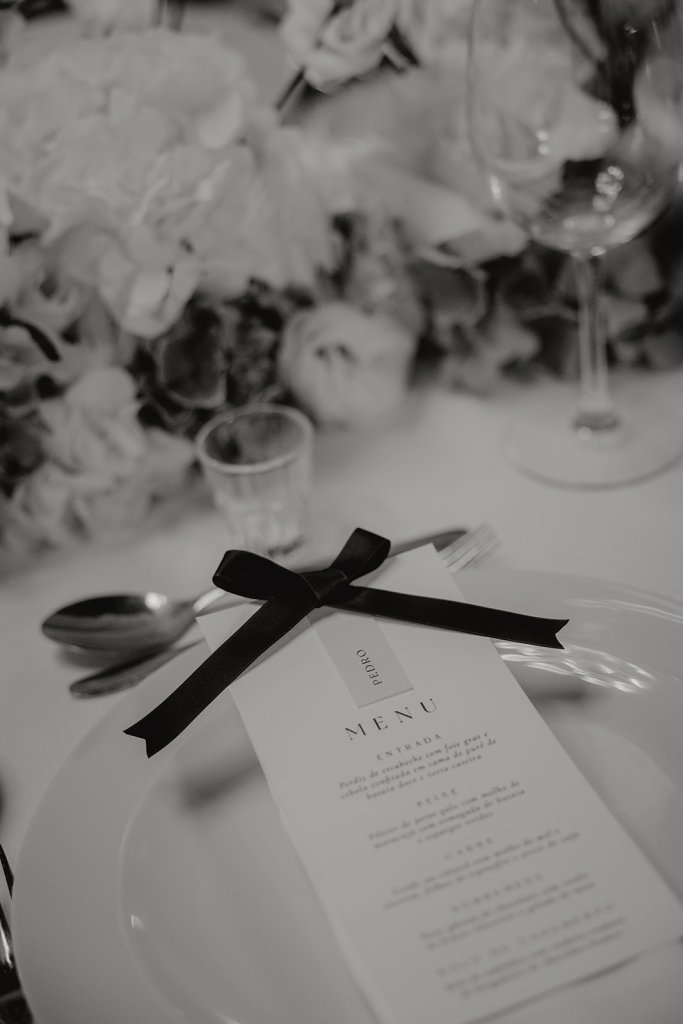
A modern floral approach, a subtle colour accent, a contemporary stationery finish or a lighting mood inspired by the season can all bring a sense of freshness without defining the entire aesthetic.
Used sparingly, trends enhance a wedding rather than dominate it. They should feel like thoughtful accents, not the central narrative.
Why Balance Is Essential
When trends take the lead, a wedding risks becoming visually tied to a specific year. When timelessness leads, trends become expressive tools rather than defining features.
This balance allows couples to look back on their wedding photos years later and still feel that the celebration reflects who they are, not just what was popular at the time.
The Role of a Wedding Planner
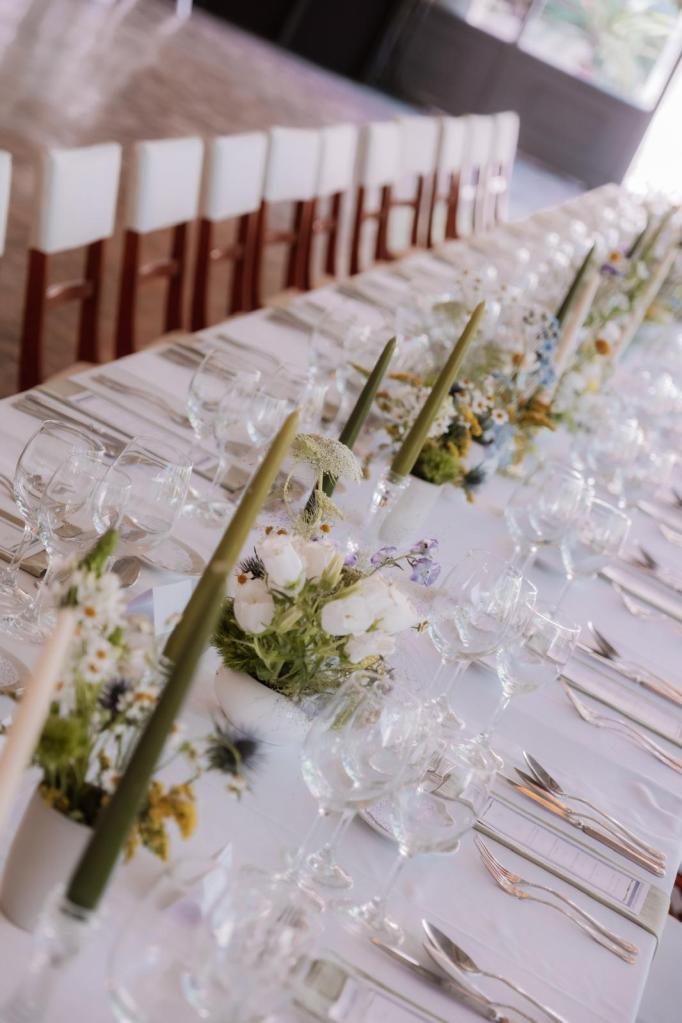
Achieving this balance requires clarity and experience. A wedding planner helps translate inspiration into a cohesive design that feels both current and enduring.
Rather than following trends for the sake of it, the planning process becomes intentional. Each choice is filtered through the couple’s values, the setting and the overall vision, ensuring that every detail serves a purpose.
This is especially important for destination weddings, where location, logistics and cultural context all play a role in shaping the final experience.
A Wedding That Belongs to Now and to the Future
A timeless wedding does not ignore trends. It simply uses them wisely. When grounded in elegance, proportion and authenticity, a wedding can feel relevant today and beautiful for decades to come.
The result is a celebration that feels effortless, considered and deeply personal — not defined by a moment in time, but enriched by it.

 TileMade Curated Weddings
Leave a comment